Sensorized Wet Ends
- 2025 — Shell thickness probes on flagship mill pumps
- 2027 — Vibration + seal-water telemetry fleet standard
- 2030 — Closed-loop wear alerts to parts hubs
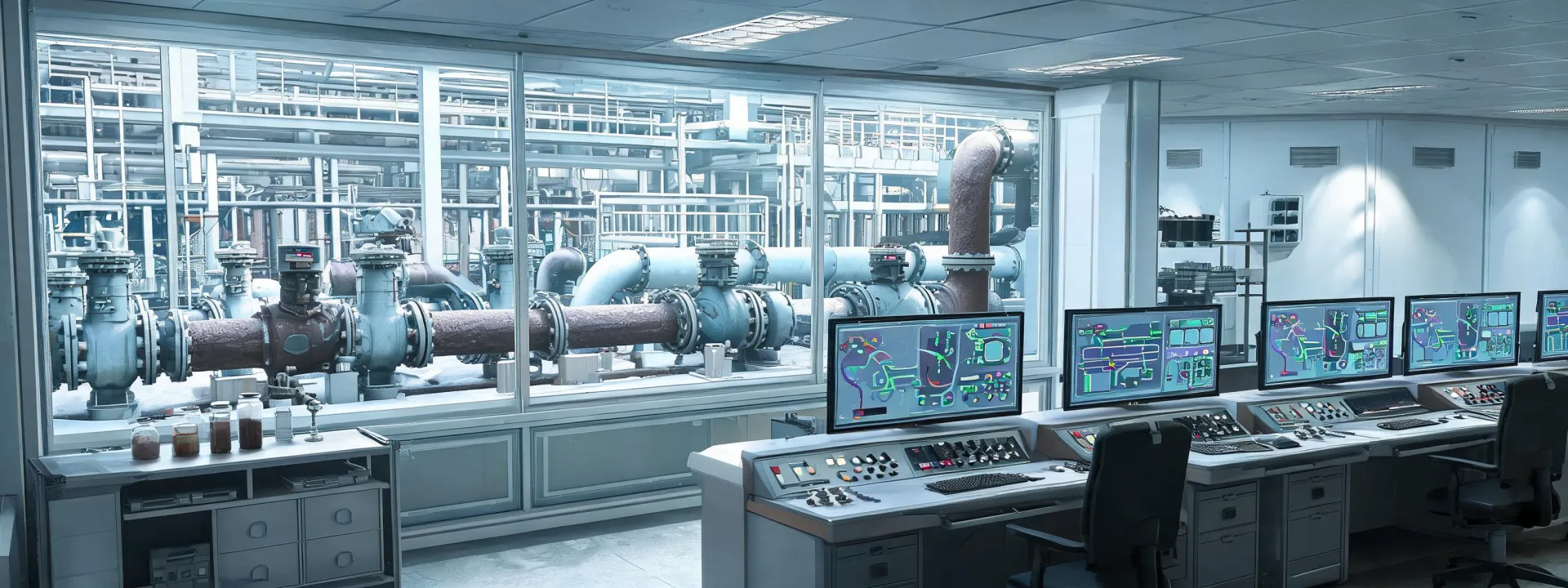
Sensorized slurry pumps · predictive liner replacement · low-water classification pilots — co-designed with hard-rock mines and quarry operators.
WeirFlow Mining invests where mill metallurgists feel downtime earliest: wet-end wear, cut-size drift, water intensity and the data trail auditors demand.
Premiere of sensorized mill-discharge wet end with live thickness telemetry.
Predictive liner staging pilot with a South American copper concentrator.
Cut-size digital twin paper for flotation feed classification.
Low-water hydrocyclone cluster customer trial in Western Australia.
End-to-end slurry-circuit digital twin for contracted mill sites.
WeirFlow Mining is a mid-size process-equipment specialist: deep enough to cast and machine high-chrome wet ends in-house, focused enough that every roadmap item still answers a mill-floor failure mode rather than a trade-show slogan.
Application engineers sit with metallurgists when circulating load climbs, with reliability managers when seal water spikes, and with EPC partners when a greenfield flotation train needs a single wear-parts strategy from ROM to concentrate. That is the authority posture behind the 2030 roadmap — measurable circuit stability, not abstract digital theater.
We publish limitations as clearly as roadmaps: sensorized wet ends still need clean seal water; digital twins do not replace a metallurgist who understands flotation reagent swings; low-water cyclone pilots can raise underflow density but may demand thicker piping and higher hydraulic system pressure. Buyers comparing capital cost against lifecycle wear cost get both columns filled — feed size, discharge opening and expected t/h — before any pilot agreement is signed.
We co-design wear sensing, cut-size control and water-intensity programs with mine metallurgy and EPC partners.
Co-design a process program