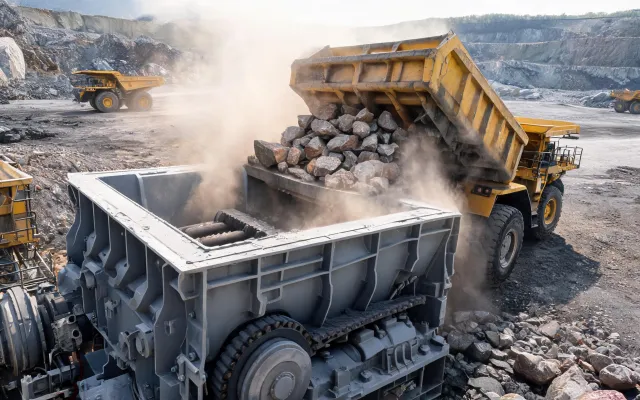
ROM Crushing
Jaw / cone crusher wear parts + surge-bin transfer pumps for coarse ore — typical primary CSS 100–150 mm with feed size to 900 mm.
WeirFlow Mining ships, services and rebuilds the slurry pumps, hydrocyclones and crushing-circuit wear components needed for a complete hard-rock or aggregate process train.
Jaw / cone crusher wear parts + surge-bin transfer pumps for coarse ore — typical primary CSS 100–150 mm with feed size to 900 mm.
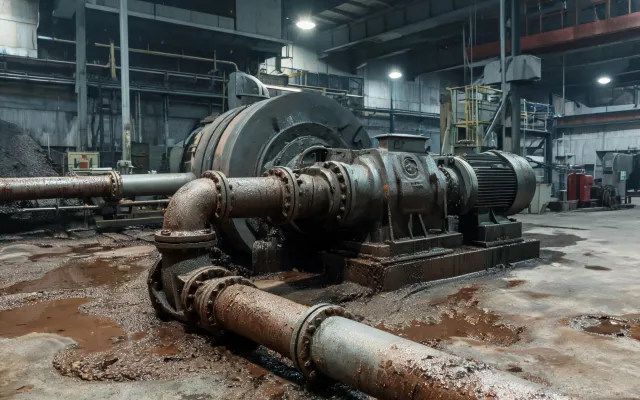
High-chrome mill-discharge pumps sized for circulating load — common duties 180–1,200 m³/h at 18–45 m slurry head.
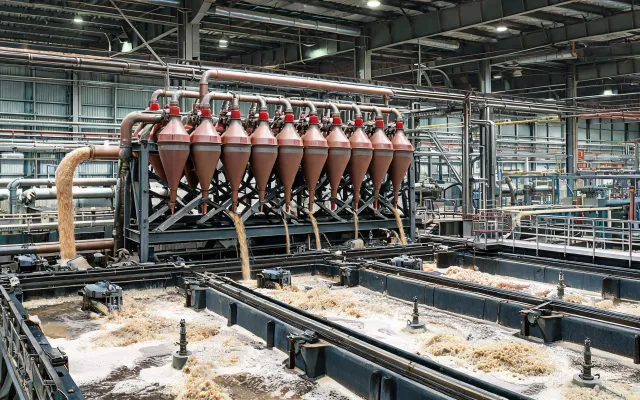
Hydrocyclone packs tuned to D50 targets — apex audits every 250–400 h keep cut size within ±5 µm of flotation feed.
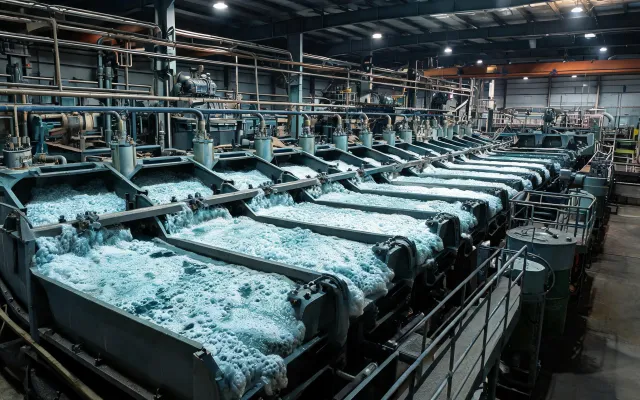
Froth and transfer pumps with seal arrangements matched to reagent-laden slurries.
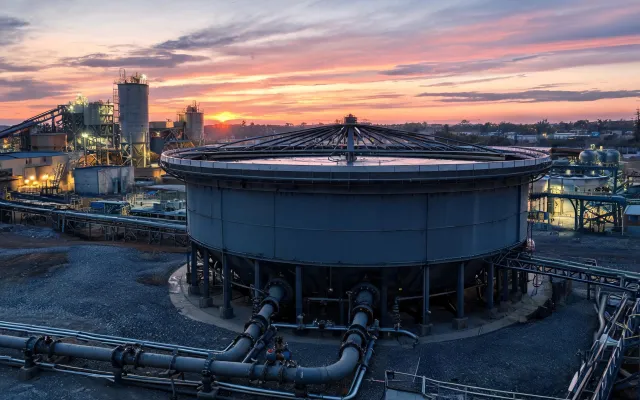
Underflow pumps and density control support for concentrate and intermediate thickeners.
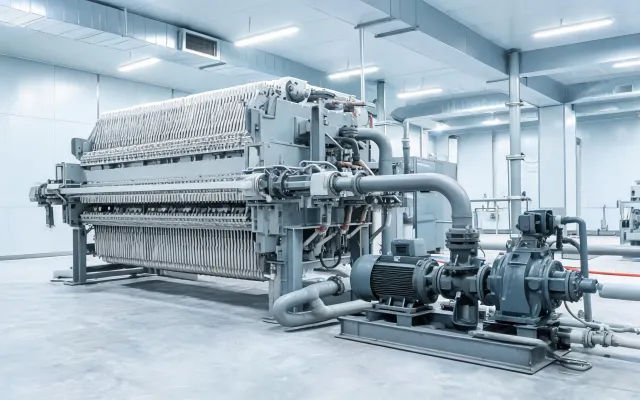
High-pressure feed pumps and hose kits for filter and centrifuge circuits.
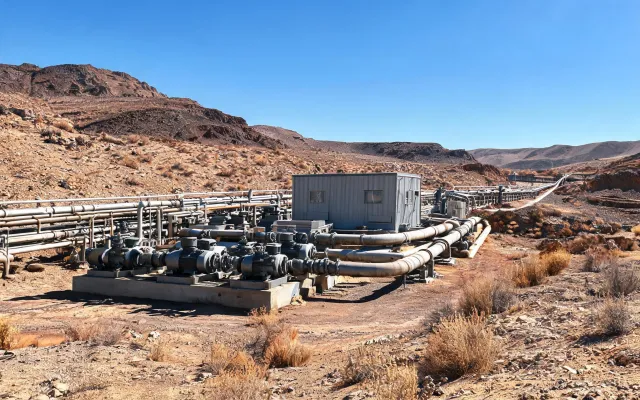
Long-distance slurry pumps and wear monitoring for TSF feed lines.
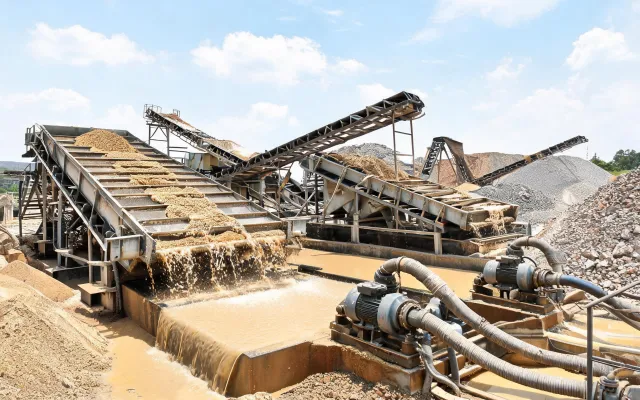
Screen media, sand pumps and cyclone stacks — quarry lines often target 80–250 t/h output capacity with vibration frequency matched to product mesh.
Single purchase order, single service contract and single wear-rate audit pack — instead of stitching four suppliers together at every change order when cut size drifts or a mill stop moves.
Hard-rock copper plants usually care about mill-discharge head, flotation feed D50 and thickener underflow density in the same weekly meeting. Iron ore beneficiation lines watch classification water balance and screen media life when feed size swings after the primary crusher. Quarry aggregate wash plants prioritize sand-pump output capacity (t/h), vibration frequency on screens and cyclone apex kits that keep product gradation inside the sales specification. Across those duties, WeirFlow Mining keeps the same engineering language: solids percent, SG, NPSH margin, hydraulic system pressure at seals, and documented wear millimeters versus tonnage.
We also surface the trade-offs operators already argue about — whether high-chrome iron or rubber linings win on a given particle angularity, whether a single cyclone cluster can serve both mill and flotation without cut-size compromise, and how far aftermarket wet ends can go before seal housing geometry forces an OEM frame. On the crushing pad, the same honesty applies to jaw crusher versus impact crusher selection: jaws tolerate feed-size and hardness swings with a simple discharge opening, while impact machines chase cubicity for asphalt aggregate at higher liner cost. Those disputes belong in the bid package, not in a footnote after start-up.
14-month Andean copper concentrator · 6,800 mill-operating days supported · 2.1 Mt slurry handled through rebuilt mill-discharge trains.
Background: the plant’s ROM pad alternated between jaw and impact primary campaigns when clay spiked. Process: WeirFlow Mining kept slurry pumps and hydrocyclones on a single wear contract while jaw opening, discharge opening and screen vibration frequency were logged against flotation feed D50. Result: classification water balance stabilized and sand-pump output capacity held inside the sales gradation band for three consecutive quarters. Limitation: dry magnetic circuits and sites without process-water metering are outside this slurry-catalog map and need a separate selection pack.
Talk to project sales about ROM-to-concentrate equipment and wear-parts staging.